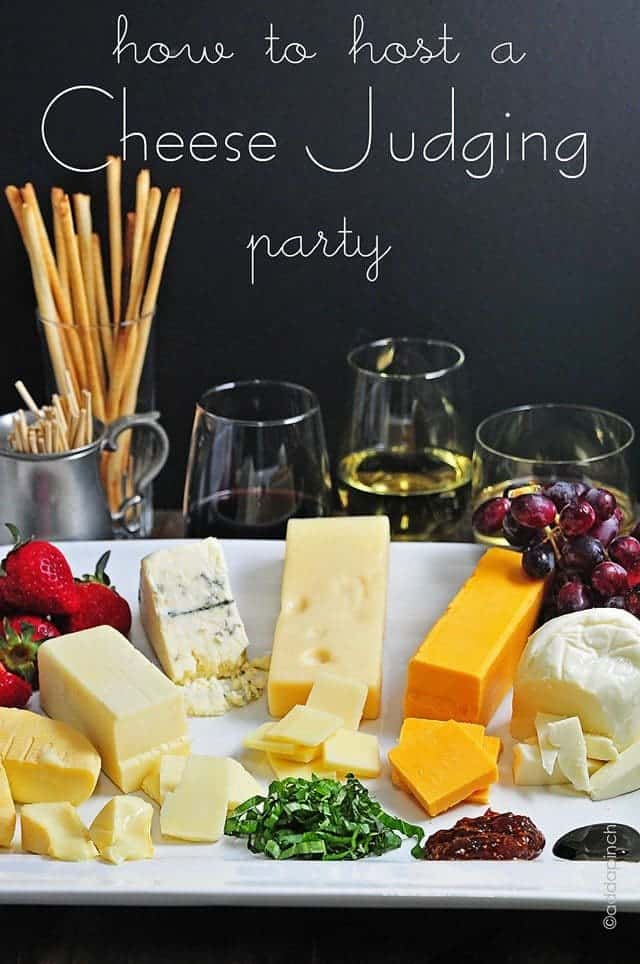
Unlock Flavor: Host a Cheese Judging Party with Expert Descriptors
Transforming a casual gathering into an unforgettable epicurean adventure is easier than you think. Imagine an evening where friends not only enjoy delicious cheese but also delve into its complex world, guided by expert insights. While assembling a beautiful cheese board for entertaining is a time-honored tradition, learning how to host a cheese judging party takes that experience to an entirely new level. It's an opportunity to educate your palate, discover new favorites, and share moments of delicious revelation with your loved ones.
Before truly understanding the nuances of cheese judging, many of us simply enjoy cheese at face value. But much like wine or coffee, cheese possesses a universe of flavors, aromas, and textures waiting to be explored. A cheese judging party demystifies this process, offering a structured yet fun way to appreciate the artistry behind each block and wheel. Having experienced this transformative approach firsthand, we’re eager to share a comprehensive guide on how to host a cheese judging party that will impress your guests and elevate everyone's appreciation for this beloved dairy delight.
Curating Your Cheese Selection: A Symphony of Textures and Tastes
The foundation of any successful cheese judging party lies in a thoughtfully curated selection of cheeses. The goal isn't just quantity, but rather variety that showcases the diverse world of cheese. When planning your event, consider a spectrum that highlights differences in milk type, texture, moisture content, and flavor intensity. This deliberate selection process is key to a rich judging experience.
Selecting for Diversity
- Milk Type: Include cheeses made from cow, goat, and sheep's milk to appreciate their distinct characteristics. Goat cheeses often bring a tangy brightness, sheep's milk cheeses a rich sweetness, and cow's milk cheeses a broad spectrum from creamy to nutty.
- Moisture Content & Texture: Aim for a range from high to low moisture, which naturally corresponds to soft, semi-soft, semi-hard, and hard textures. For instance, you might include a creamy, high-moisture Camembert (soft), a semi-soft, high-moisture blue cheese, a firmer, medium-moisture cheddar (semi-hard), and a dry, low-moisture Emmenthal (hard). This allows for direct comparison of structural differences.
- Flavor Intensity: Guide your guests on a journey from milder, more approachable cheeses to those with bolder, more complex profiles. Start with a fresh mozzarella or a mild cheddar and gradually move towards sharper cheddars or pungent blues.
A good starting point for a party of 6-8 guests would be 5-7 distinct cheeses. This number allows for meaningful comparison without overwhelming the palate. For an in-depth exploration of selecting the perfect array of cheeses, check out our guide on From Soft to Hard: Selecting Cheeses for Your Judging Party.
The Sensory Journey: A 5-Step Evaluation Method
To truly judge cheese, we need a structured approach that engages all our senses. This method, often referred to as the "5 S's," transforms passive eating into active evaluation. Before offering any accompaniments or drinks, encourage your guests to judge each cheese individually using this sequence. Provide simple scorecards or tasting sheets for guests to record their observations and preferences.
Here’s how to guide your guests through the 5 S's of cheese judging:
- Sniff: Begin by taking a good whiff of the cheese. What aromas do you detect? Are they lactic, earthy, nutty, fruity, or something else entirely? A fresh cheese might smell like milk or yogurt, while an aged cheese could reveal notes of roasted nuts or even a hint of barnyard.
- Size-Up: Visually inspect the cheese. Observe its rind – is it natural, washed, or bloomy? Note its color, both inside and out. Is the texture consistent, or does it have cracks, crystals, or veins? For cheddar, you’d look for a smooth and uniform appearance, while a blue cheese would display its characteristic marbling.
- Slice: Cut a small piece of the cheese. How does it resist the knife? Does it crumble cleanly, or is it pliable and sticky? This step gives you an initial feel for its density and internal structure.
- Smoosh: Pinch a small piece of the cheese between your thumb and forefinger. Feel its texture. Is it springy, dry, crumbly, creamy, or waxy? Younger cheeses, like a mild cheddar, often feel more springy, while older, aged varieties tend to be drier and may crumble more easily. This step provides crucial tactile information about its moisture and fat content.
- Savor: Finally, the best part! Place the cheese in your mouth and let it sit for a moment. Allow the flavors to develop slowly. Note the initial taste, the way it melts or breaks down in your mouth (mouthfeel), and the lingering aftertaste. Does it coat your palate? Is it tangy, sweet, salty, bitter, or umami? What complex flavors emerge as you chew?
For a deeper dive into this fascinating process and practical tips for guiding your guests, explore our dedicated article: The 5 S's of Cheese Judging: How to Host a Memorable Tasting.
Mastering the Language of Flavor: Essential Cheese Descriptors
Once your guests have gone through the sensory steps, it's time to put words to their experiences. Providing a vocabulary of expert cheese descriptors empowers everyone to articulate what they're tasting and smelling, fostering a rich discussion and a deeper understanding of each cheese. Encourage guests to use these terms, or even invent their own, to capture the essence of what they encounter.
Key Descriptor Categories to Share:
- Lactic: These describe notes associated with fresh dairy. Think of terms like fresh milk, cooked milk, yogurt, whey, fresh butter, melted butter, fresh cream, or even white chocolate. These are common in fresh cheeses like mozzarella, ricotta, or chevre.
- Fruity: Often found in aged or Alpine cheeses, these descriptors evoke fruit and sweetness. Consider notes such as apricot, citrus fruit (orange, grapefruit, lemon), plum, dried fruit, almond, honey, or floral hints.
- Roasted/Nutty: These flavors develop through aging and are prominent in many hard cheeses. Look for terms like fresh bread crust, brioche bread, fudge, browned toast, toasted nuts (hazelnut, almond, walnut), caramel, or even dark chocolate.
- Earthy/Vegetal: Connects to the soil and plant kingdom. Examples include mushroom, truffle, damp cellar, grass, hay, artichoke, or olive. These are often found in bloomy rinds or natural rind cheeses.
- Pungent/Barnyard: These are bolder, sometimes challenging descriptors that indicate a mature, complex cheese. Think ammonia (in small, pleasant doses), animal, wet straw, broth, or a distinctive "barny" note. Blue cheeses often fall into this category.
- Spicy: Less common but present in some cheeses, especially those with added ingredients or distinct fermentation profiles. Examples include pepper, clove, mustard, or nutmeg.
By arming your guests with this vocabulary, you transform a simple tasting into a lively, educational debate. Encourage everyone to share their most surprising discovery or the most accurate descriptor they found for a particular cheese.
Enhancing Your Judging Party: Beyond the Cheese
While the focus of a cheese judging party is, naturally, the cheese itself, thoughtful additions can elevate the entire experience without overshadowing the main event. Remember to keep accompaniments minimal until after the initial judging phase, allowing the pure cheese flavors to shine.
Palate Cleansers & Refreshments
- Water: Essential for cleansing the palate between cheeses. Still water is best; sparkling water can sometimes alter perception.
- Plain Crackers/Bread: Simple, unsalted crackers or slices of baguette can provide a neutral base to reset the palate.
- Green Apple Slices: The tartness and crispness of green apple is an excellent palate cleanser.
- Beverage Pairings (Post-Judging): Once the initial judging is complete, you can introduce a selection of wines, beers, or even craft non-alcoholic options that complement the cheeses. For example, a crisp Sauvignon Blanc with a goat cheese, a robust Stout with a sharp cheddar, or a light-bodied Pinot Noir with an aged Gruyere.
Setting the Scene
Create an inviting atmosphere. Good lighting allows guests to properly "size-up" the cheeses. Label each cheese clearly with its name, origin, and any relevant details (e.g., milk type, age). Serve cheeses at room temperature, allowing their full flavor and aroma profiles to emerge. Arrange them from mildest to strongest to guide the tasting flow. Consider providing small tasting spoons or individual knives for each cheese to maintain hygiene and prevent flavor transfer.
A cheese judging party is more than just sampling food; it's about engaging with culinary art, learning new things, and forging connections over shared sensory experiences. It transforms the familiar into the extraordinary, leaving guests with a newfound appreciation for the complex world of cheese.
Conclusion
Hosting a cheese judging party is an incredibly rewarding experience that merges entertainment with education. By thoughtfully selecting a diverse range of cheeses, guiding your guests through a structured sensory evaluation using the "5 S's," and empowering them with a rich vocabulary of expert descriptors, you’re not just serving cheese – you’re curating a memorable journey of flavor discovery. This detailed guide on how to host a cheese judging party provides all the tools you need to create an engaging, delicious, and deeply appreciative event. So, gather your friends, prepare your palates, and unlock a world of flavor together!
