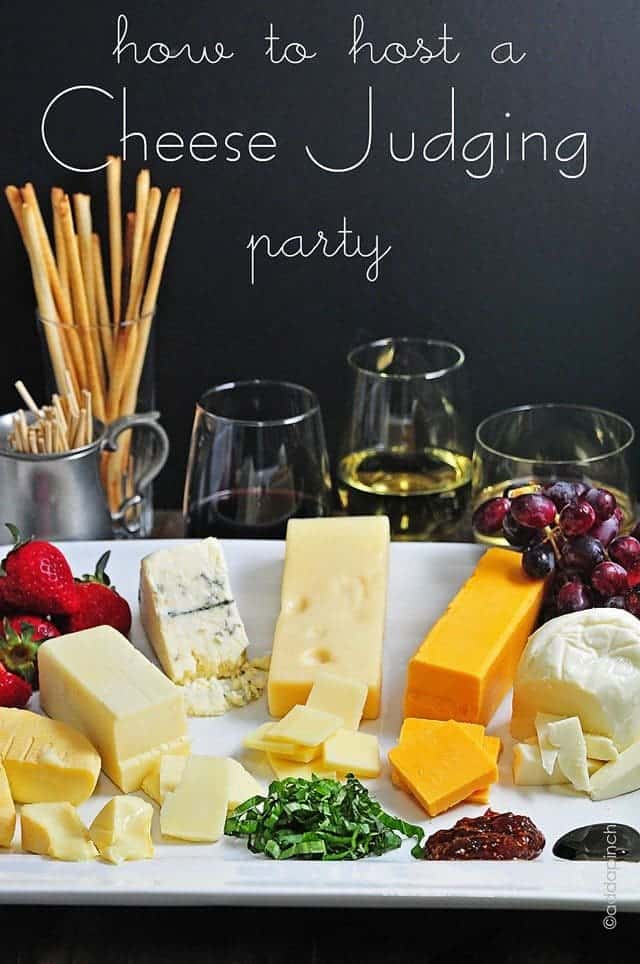
From Soft to Hard: Selecting Cheeses for Your Judging Party
Hosting a cheese judging party is more than just serving a platter of delicious cheeses; it's an immersive culinary adventure that transforms casual snacking into an educational and highly engaging social experience. Imagine your friends and loved ones gathered, not just eating, but truly *experiencing* cheese – discerning subtle notes, appreciating varying textures, and broadening their palates. The key to unlocking this elevated experience, and central to learning
how to host a cheese judging party that leaves a lasting impression, lies in one critical step: the thoughtful selection of your cheeses.
A successful judging party hinges on offering a diverse yet coherent lineup of cheeses that allow for meaningful comparison and discussion. This isn't about simply picking your favorites, but about curating a selection that showcases the vast and wonderful world of cheese, guiding your guests through a spectrum of flavors, aromas, and tactile sensations. By understanding how to select cheeses strategically, you empower your guests to delve into the complexities of this ancient food, much like experts do when evaluating a new vintage or a fresh batch.
The Foundation: Understanding Cheese Styles by Moisture and Texture
The most fundamental way to approach cheese selection for a judging party is by considering its moisture content and resulting texture. This classification provides an excellent framework for comparing different cheeses, as moisture significantly impacts everything from a cheese's aging potential to its flavor intensity and mouthfeel. Aiming for a range across these categories ensures a dynamic tasting experience.
Soft Cheeses (High Moisture)
These cheeses typically have the highest moisture content, resulting in a tender, often spreadable texture. They are frequently younger, with delicate flavors that can range from milky and fresh to earthy and pungent.
- Characteristics: Creamy, yielding, often with a bloomy rind or fresh curd appearance. They tend to melt beautifully in the mouth.
- Examples: Camembert (earthy, mushroomy, often runny), Brie (buttery, mild), Fresh Mozzarella (milky, delicate), Chèvre (tangy, crumbly when fresh).
- Judging Insight: When judging soft cheeses, focus on their initial creaminess, how they coat the palate, and the balance of their fresh or earthy notes. Are they smooth and consistent, or slightly grainy?
Semi-Soft Cheeses (Medium-High Moisture)
Bridging the gap between soft and firm, semi-soft cheeses offer a delightful versatility. Their moisture content allows for a supple, sometimes elastic texture, making them approachable and often quite flavorful.
- Characteristics: Pliant, sometimes bouncy, good meltability. Flavors can vary widely from mild and nutty to assertive and aromatic.
- Examples: Blue Cheese (creamy, pungent, veined), Havarti (buttery, mild), Muenster (mild, aromatic rind), Young Gouda (nutty, smooth).
- Judging Insight: With semi-soft cheeses, assess their resilience and 'give'. Do they break cleanly or smush easily? Consider the balance of their inherent flavors with any rind notes.
Semi-Hard Cheeses (Medium Moisture)
This is a vast and popular category, offering cheeses that are firm enough to slice easily but still retain a degree of pliability. They represent a significant portion of the cheese world and are excellent for showcasing aging characteristics.
- Characteristics: Firm, dense, can be springy or slightly crumbly depending on age. Flavors range from mild and sweet to sharp and complex, often developing nutty or savory notes with age.
- Examples: Cheddar (especially a range from mild to extra sharp, like Cracker Barrel's Extra Sharp to Aged Reserve, which demonstrate how texture changes from springy to crumbly with age), Gruyère (nutty, earthy), Provolone (mild to sharp, depending on age).
- Judging Insight: This category is fantastic for comparing how aging affects cheese. Note the difference in resistance when you "smoosh" a younger, springier cheddar versus an older, more crumbly one. Look for consistency in appearance and a smooth texture.
Hard Cheeses (Low Moisture)
With the lowest moisture content, hard cheeses are typically aged for longer periods, resulting in dense, often granular textures and intensely concentrated flavors.
- Characteristics: Firm, dry, often crystalline or crumbly. Flavors are robust, savory, nutty, and often quite pungent, with a long finish.
- Examples: Parmesan-Reggiano (sharp, salty, crystalline), Pecorino Romano (sheep's milk, sharp, salty), Emmenthal (nutty, sweet, with characteristic 'eyes'), Aged Gouda (caramel, butterscotch notes).
- Judging Insight: For hard cheeses, focus on the depth of flavor, the satisfying crunch of any crystals, and how long the flavor lingers on the palate. The dry, crumbly texture is a key indicator of its style and age.
Beyond the Basics: Enhancing Variety in Your Selection
While moisture and texture provide a solid foundation for selecting cheeses, a truly exceptional judging party delves deeper. To maximize the learning and enjoyment, consider adding variety in these additional dimensions:
- Milk Type: Don't stick to just cow's milk! Introduce cheeses made from sheep's milk (e.g., Manchego, Pecorino) and goat's milk (e.g., Chèvre, Cabra). Each milk type imparts distinct flavor profiles and textures.
- Flavor Intensity: Arrange your tasting from mildest to strongest. Starting with a delicate fresh chèvre and progressing to a pungent blue or an intensely aged cheddar allows palates to adjust and appreciate the nuances of each cheese without being overwhelmed.
- Familiar vs. Unique: Include a couple of well-known favorites that guests can comfortably identify, alongside a few lesser-known varieties to expand their horizons. This balance makes the party both comforting and adventurous.
- Age Variation: If possible, select different ages of the *same type* of cheese (e.g., a 6-month-old Gouda and a 3-year-old Gouda). This powerfully demonstrates the transformative effect of aging on flavor and texture.
- Rind Types: From bloomy rinds (Brie, Camembert) to washed rinds (Limburger, Époisses) and natural rinds (some cheddars), the rind itself contributes significantly to aroma and flavor.
For an ideal judging party, aim for a selection of 5-7 distinct cheeses. This provides enough variety for meaningful comparison without overwhelming the palates of your guests. Once you have your diverse selection, the next step is guiding your guests through the tasting process, often beginning with methods like
The 5 S's of Cheese Judging: How to Host a Memorable Tasting, which teaches you to 'sniff, size-up, slice, smoosh, and savor' each cheese.
Practical Tips for Sourcing and Presenting Your Cheeses
Even the best cheese selection can fall flat without proper sourcing and presentation. Here's how to ensure your chosen cheeses shine:
- Source Wisely: Whenever possible, purchase your cheeses from a reputable cheese shop, a specialty grocery store with a dedicated cheese counter, or a local farmers' market. Knowledgeable cheesemongers can offer invaluable advice and ensure you get fresh, high-quality products.
- Optimal Temperature: Always serve cheese at room temperature. This allows the fats to soften slightly, releasing the full spectrum of aromas and flavors. Take cheeses out of the refrigerator at least an hour before serving.
- Portioning and Presentation: Present your cheeses on a large board or platters, allowing ample space between each. Label each cheese clearly with its name, milk type, and perhaps its country of origin or age. Provide separate knives for each cheese to prevent flavor transfer.
- Palate Cleansers: Offer plain water, neutral crackers, or slices of baguette to help guests cleanse their palates between tastings. This is crucial for distinguishing individual flavors.
- Accoutrements (for after judging): While the initial judging should focus solely on the cheese, you can introduce complementary elements like fruits, nuts, honey, or charcuterie *after* the initial assessment. This allows guests to explore pairings and further enjoy the cheeses.
To truly appreciate the nuances, understanding how to articulate what you taste and feel is essential. This is where
Unlock Flavor: Host a Cheese Judging Party with Expert Descriptors becomes invaluable, providing you with a lexicon to describe everything from 'lactic' (fresh milk, butter) and 'fruity' (apricot, citrus) to 'roasted' (bread crust, fudge) notes.
In conclusion, embarking on the journey of
how to host a cheese judging party starts long before your guests arrive – it begins with the strategic and thoughtful selection of your cheeses. By embracing variety in moisture content, texture, milk type, and flavor intensity, you lay the groundwork for a truly memorable and educational experience. So, gather your friends, curate your collection from soft to hard, and prepare to discover the incredible depths of flavor that cheese has to offer. Your taste buds, and your guests, will thank you.