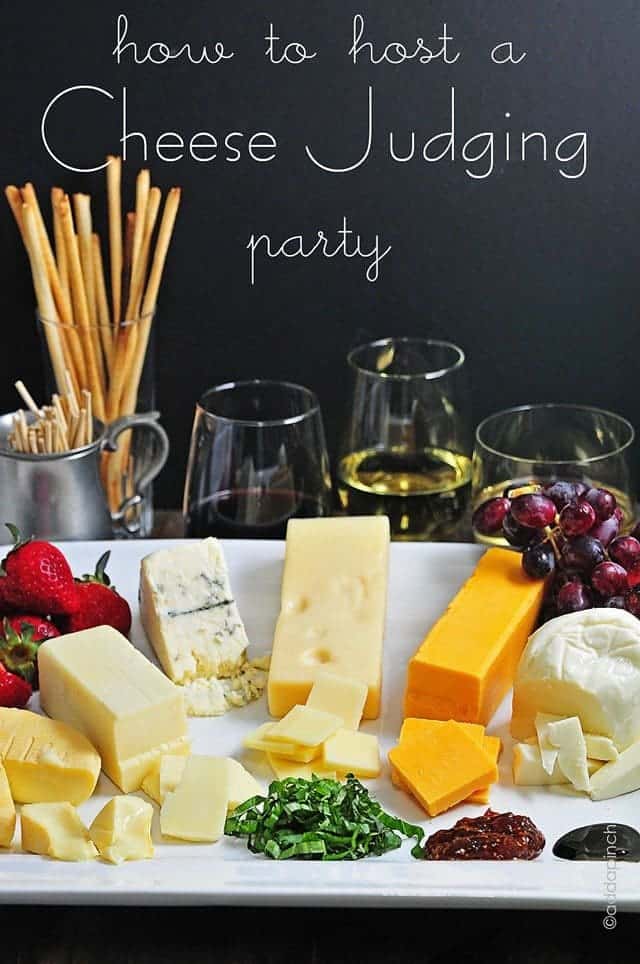
Why Host a Cheese Judging Party? Elevate Your Entertaining
While a beautifully arranged cheese board is a staple of entertaining, imagine taking that experience to the next level. Hosting a cheese judging party transforms a casual gathering into an immersive journey for the senses, offering a delightful blend of education, appreciation, and social interaction. It’s an opportunity for friends to not only enjoy delicious cheeses but also to truly understand and articulate their unique qualities, guided by a structured approach. Learning how to host a cheese judging party can turn an ordinary evening into an extraordinary culinary adventure, revealing the intricate artistry behind each wedge and wheel.
This isn't about snobbery; it's about unlocking a deeper connection with food. By introducing a gentle framework for evaluation, you empower your guests to move beyond simply "liking" a cheese to appreciating its aroma, texture, and flavor profile. This enhanced understanding elevates future cheese experiences, making every bite more meaningful. It's a memorable way to spend time with loved ones, fostering lively discussions and shared discoveries.
Curating Your Selection: The Heart of Your Cheese Board
The success of your cheese judging party begins with a thoughtful selection of cheeses. Variety is key to providing a comprehensive and engaging tasting experience. Consider including a range of cheese styles based on several factors:
- Milk Type: Offer cheeses made from different milks – cow, goat, and sheep – as each imparts distinct characteristics.
- Moisture Content & Texture: This is a fundamental differentiator. Aim for a spectrum that includes high-moisture, soft cheeses (like Camembert or fresh Mozzarella), medium-moisture, semi-soft to semi-hard varieties (such as Blue cheese or aged Cheddar), and low-moisture, hard cheeses (like Emmenthal or Parmesan). For more in-depth guidance on this, explore our article From Soft to Hard: Selecting Cheeses for Your Judging Party.
- Flavor Intensity: Transition your guests from milder, more approachable cheeses to those with bolder, more complex flavors. This prevents palate fatigue and allows for a gradual appreciation of nuances.
- Familiarity vs. Uniqueness: A blend of well-known favorites and intriguing, less common cheeses can spark curiosity and provide reference points.
For a manageable tasting, aim for 4-6 different cheeses. This allows enough diversity without overwhelming the palate. Once selected, remember to bring your cheeses to room temperature at least 30-60 minutes before serving. Cold mutes flavor, so allowing them to warm up will reveal their full aromatic and textural potential. Crucially, ensure each cheese is clearly labeled with its name, milk type, and origin. This aids in both the judging process and the educational aspect of your party.
Mastering the Art of Evaluation: The 5 S's of Cheese Judging
To truly learn how to host a cheese judging party, understanding a structured tasting methodology is paramount. We can adapt a classic tasting technique into what we'll call "The 5 S's of Cheese Judging," providing a framework that is both engaging and insightful for your guests. Each 'S' guides participants through a sensory exploration, ensuring a comprehensive evaluation of each cheese.
1. Sniff (Aroma)
Before tasting, engage your sense of smell. Gently bring the cheese close to your nose and take a deep inhale. What aromas do you detect? Is it fresh and lactic, reminiscent of yogurt or fresh cream? Perhaps it's fruity, with notes of apricot, citrus, or honey. You might also find roasted tones like toasted bread or fudge, earthy notes, or even pungent, savory hints. Aroma provides crucial clues about the cheese's age, milk, and production methods.
2. Size-Up (Appearance)
Visually inspect the cheese. Observe its rind: Is it bloomy, washed, natural, or waxed? What color is the paste (the interior)? Is it uniformly colored or does it have veins, specks, or "eyes" (holes)? Consider its overall consistency – is it smooth, crumbly, grainy, or shiny? For example, a quality aged cheddar should present a relatively smooth and consistent appearance, while a blue cheese will showcase its characteristic blue-green mold veins.
3. Slice (Cut & Consistency)
Notice how the cheese responds to your knife. Does it slice cleanly, crumble easily, or resist the blade? This step gives a preliminary indication of its internal structure and moisture content. A soft, creamy cheese will yield easily, while a firm, aged cheese might require more pressure or crumble as it's cut. Ensure you provide appropriate cheese knives for each style.
4. Smoosh (Texture/Feel)
Take a small piece of cheese and gently press it between your thumb and forefinger. How does it feel? Is it elastic, springy, firm, crumbly, or gooey? This tactile experience reveals its pliability and moisture. As an example, a young cheddar will likely feel springy and somewhat pliable, whereas an aged cheddar, having lost more moisture, will typically be drier and crumble under pressure. This 'smoosh' test gives insight into the cheese's internal texture before it even enters your mouth.
5. Savor (Taste & Finish)
Now for the best part! Take a small bite and let it linger on your tongue. Pay attention to the initial flavors: sweet, salty, sour, bitter, umami. How do the aromas from the 'sniff' stage translate to taste? Notice the mouthfeel – is it creamy, sticky, grainy, smooth, or melt-in-your-mouth? Finally, consider the finish: How long do the flavors last after you swallow? Do they evolve, intensify, or fade quickly? Allow yourself to truly enjoy and dissect the full flavor profile. To help your guests articulate their findings, refer to our comprehensive guide on Unlock Flavor: Host a Cheese Judging Party with Expert Descriptors.
Enhancing the Experience: Pairings and Palate Cleansers
While the initial judging focuses purely on the cheese, offering well-chosen accompaniments and beverages can enrich the overall experience. Provide neutral palate cleansers like plain water (still or sparkling), unsalted crackers, or slices of green apple between each cheese. This helps reset the palate, allowing guests to fully appreciate the next sample without residual flavors interfering.
For after the formal judging, or as optional additions, you might offer carefully selected pairings. Think about items that complement rather than overpower: fresh or dried fruits (figs, grapes, apricots), nuts (almonds, walnuts), and perhaps a touch of honey or fruit preserve. If you wish to include beverages, consider a selection of wines (white, red, sparkling), craft beers, or even non-alcoholic options that are known to pair well with cheese. However, encourage guests to taste the cheese alone first before experimenting with pairings.
Setting Up Your Judging Station & Scoring
A well-organized judging station is key to a smooth and enjoyable party. Allocate ample table space for each cheese, ensuring they are clearly labeled. Provide individual tasting sheets or scorecards for each guest, along with pens. A simple scoring system can work wonders: guests can rate each cheese (from 1-10 or 1-5 stars) across categories like appearance, aroma, texture, and flavor, or simply provide an overall impression and notes for each of the 5 S's. Encourage participants to jot down their observations using the provided descriptors.
Emphasize that this is not a competition to find the "best" cheese, but rather an exercise in appreciation and discovery. The real fun lies in discussing perceptions, comparing notes, and sharing insights. The differences in opinion often lead to the most engaging conversations, highlighting the subjective nature of taste and the diverse palates of your guests. Remember to provide small plates, individual serving tools for each cheese, and napkins.
Conclusion
Hosting a cheese judging party is a truly rewarding way to gather friends and explore the incredible world of cheese. By following the simple yet effective "5 S's of Cheese Judging" – Sniff, Size-Up, Slice, Smoosh, and Savor – you provide a framework that elevates a casual tasting into a memorable, educational, and delicious event. From carefully curating your cheese selection to thoughtfully setting up your judging station, every detail contributes to an immersive experience. So, don't just serve cheese; celebrate it. Learn how to host a cheese judging party, and watch as your guests discover new favorites and deepen their appreciation for this beloved culinary art form.
